August 17, 2026
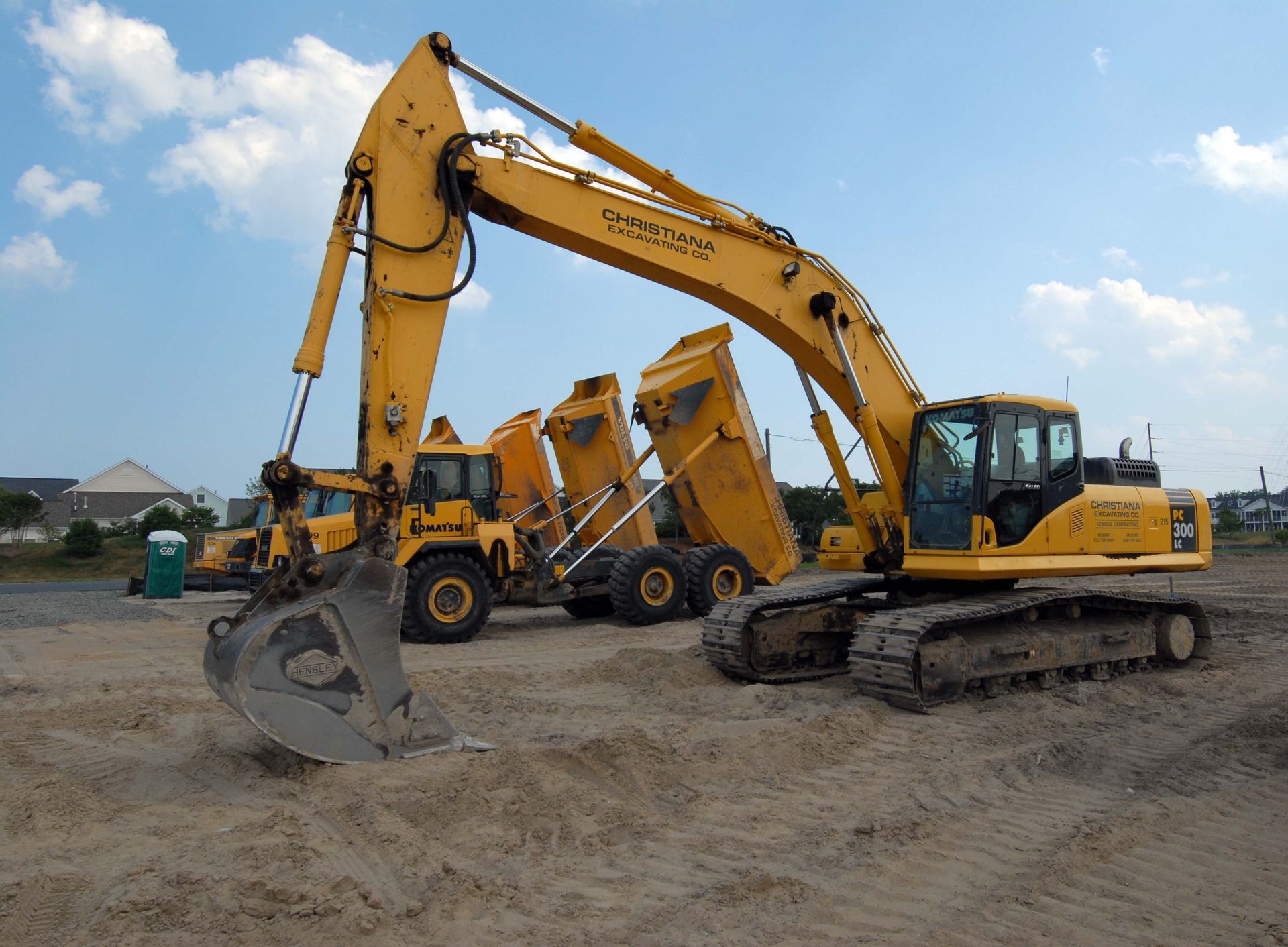
Standing at the edge of an open job site and visualizing the transformation of raw land into a finished structure brings a strong sense of accomplishment to any property owner or site manager. Earthmoving serves as the absolute groundwork for almost every successful building endeavor, whether you are clearing land for a new home foundation, digging utility trenches, building retention ponds, or grading a commercial driveway. At the center of these heavy site operations sits the trackhoe, a tracked hydraulic excavator engineered to dig, lift, break ground, and move massive volumes of soil efficiently.
Choosing the right machinery for your job site is critical to keeping work moving on schedule and keeping your budget under control. Renting heavy machinery has become the primary strategy for smart project planning across the modern construction industry. According to Mordor Intelligence, the construction equipment rental market size is projected to be USD 135.82 billion in 2025. Selecting the right trackhoe rental ensures that your crew moves earth efficiently without overspending on excess machine weight or stalling underpowered equipment. Booking an appropriate trackhoe rental avoids costly site delays caused by inadequate reach or poor bucket capacities. Partnering with a reliable equipment provider for your trackhoe rental delivers six key advantages that protect your working budget, optimize job site safety, and keep your build moving smoothly.
Assessing Site Access Constraints
The first step in selecting the correct equipment size is evaluating physical entry points, overhead clearances, and working boundaries across your property. Large machinery offers incredible digging power, but an oversized trackhoe cannot complete a job if it cannot fit through property gates, clear low-hanging tree branches, or maneuver around existing buildings.
Choosing the correct trackhoe rental size requires measuring gate widths, overhead utility line heights, and turning radii before signing a contract. Compact or mini trackhoes weighing under six tons excel at navigating tight residential side yards, working between close structures, and operating beneath low foliage. Mid-size and heavy machinery weighing ten to thirty tons require wide haul road access and open work zones free from overhead obstructions. Matching machine dimensions to your site footprint prevents accidental structural damage to nearby walls and keeps your crew working comfortably.
Evaluating Dig Depth and Reach Requirements
Every earthmoving job features specific depth, reach, and dumping specifications. Digging a shallow three-foot utility trench along a fence line demands far less reach than excavating an eight-foot deep basement foundation or clearing a deep drainage channel along an embankment. Using a machine that is too small forces operators to constantly reposition the tracks, which wastes fuel and destroys site grading.
Evaluating reach capabilities before securing a trackhoe rental ensures that your operator digs down to required depths smoothly without overextending the hydraulic boom. Mini trackhoes typically offer digging depths between eight and twelve feet, making them ideal for septic tanks and footings. Standard and large trackhoes offer digging depths exceeding twenty feet and long reach arms that dump soil far back from trench edges. Checking your maximum dig depth guarantees steady productivity and stops trench walls from caving in under repositioned machine weight.
Matching Machine Weight to Terrain Conditions
Ground stability and soil density vary dramatically from one job site to another. Working on soft marshy ground, steep hillside slopes, or established turf requires a completely different track footprint than breaking through compacted clay, hardpan, or frozen ground. Heavy operating weight provides raw digging breakout force, but heavy machines can sink deep into soft mud or crack underground utility pipes.
Selecting a properly weighted trackhoe rental keeps your machinery stable and shields your ground surface from severe rutting. Compact trackhoes exert lower ground pressure per square inch, making them perfect for working on soft lawns, golf courses, and landscaped areas where surface damage must be kept minimal. Heavier mid-size and large machines feature wide steel tracks and heavy counterweights that bite into rocky soil, hold steady on steep inclines, and break through dense ground layers without tipping or losing traction.
Factoring Attachment and Lifting Needs
Trackhoes are far more than simple dirt-digging tools; they serve as versatile attachment carriers capable of executing complex site work. Beyond standard digging buckets, modern jobs often require hydraulic breakers to bust up old concrete pads, augers to drill pier holes, thumbs to grab fallen logs, or tilt-rotators to shape precise drainage swales.
Matching hydraulic attachment options to your trackhoe rental expands what your crew can accomplish with a single machine on site. Heavier trackhoes supply higher hydraulic oil flow rates, supplying the hydraulic power needed to run heavy rock hammers, brush cutters, and large augers efficiently. Ensuring your chosen machine class features auxiliary hydraulic lines and proper flow controls allows you to swap attachments quickly, saving you the expense of hiring additional specialized machinery.
Estimating Total Project Time and Costs
Financial management is a central factor in every successful construction plan. Machine size directly influences rental rates, fuel consumption, delivery fees, and overall project duration. While a smaller machine carries a lower daily rental price, using an undersized bucket to move hundreds of yards of dirt takes significantly longer, driving up total operator labor costs and extending your rental timeline.
Estimating daily fuel consumption for your trackhoe rental avoids unexpected budget overruns as project work unfolds. Larger machines move massive amounts of dirt per hour, dramatically shortening project timelines and lowering total labor expenses despite higher hourly fuel rates. Balancing daily rental rates against machine production capacity helps you find the sweet spot where earth is moved at the lowest total cost per cubic yard.
Ensuring Operator Comfort and Transport Logistics
The final consideration when choosing heavy machinery involves operator usability, safety controls, and transport logistics. Operating heavy earthmoving equipment for eight hours requires a comfortable cab, intuitive control patterns, clear sightlines, and responsive climate control. Additionally, moving heavy equipment to and from your property requires suitable trailering and towing vehicles.
Coordinating trailer transport for your trackhoe rental guarantees that heavy machinery arrives at your site safely and on schedule. Compact trackhoes can often be towed behind standard heavy-duty pickup trucks using commercial tilt-bed trailers, keeping transport fees low. Heavier machines require specialized lowboy semi-trailers, oversized load permits, and professional transport drivers. Planning your equipment delivery logistics ahead of time avoids transit delays, keeps your site safe, and allows your excavation project to start without a hitch.
Ultimately, completing a successful, cost-effective, and safe excavation project requires moving past guesswork and selecting machinery matched to your exact site requirements. Your earthmoving equipment serves as the working foundation for your entire building project, meaning that choosing an undersized machine or ignoring ground stability will only lead to delayed schedules, excessive fuel costs, and frustrating site setbacks down the road.
Taking a thoughtful approach to evaluating site access, dig depth, soil stability, and attachment needs is the most reliable strategy for protecting your project budget, maximizing daily earthmoving output, and securing complete peace of mind. By taking immediate control of your equipment needs today and placing your trust in a dependable team of heavy machinery specialists, you successfully protect your hard-earned capital and ensure your site work gets done right the first time. If you are ready to start clearing land, digging footings, or reshaping your property landscape with top-tier machinery, reach out to the team at General Equipment Rental online today to select the perfect trackhoe rental for your project.